Three scenarios, three answers
- Tree hits the house or another covered structure. Removing the tree from the structure is generally treated as part of the covered loss. Many forms add extra debris-removal coverage — often 5% of the dwelling limit — if the loss plus debris exceeds the limit.
- Tree blocks a driveway or accessibility ramp. Many homeowner forms pay a limited amount per tree, with a cap per loss. The defaults here use $500 per tree and $1,000 per loss as illustrations.
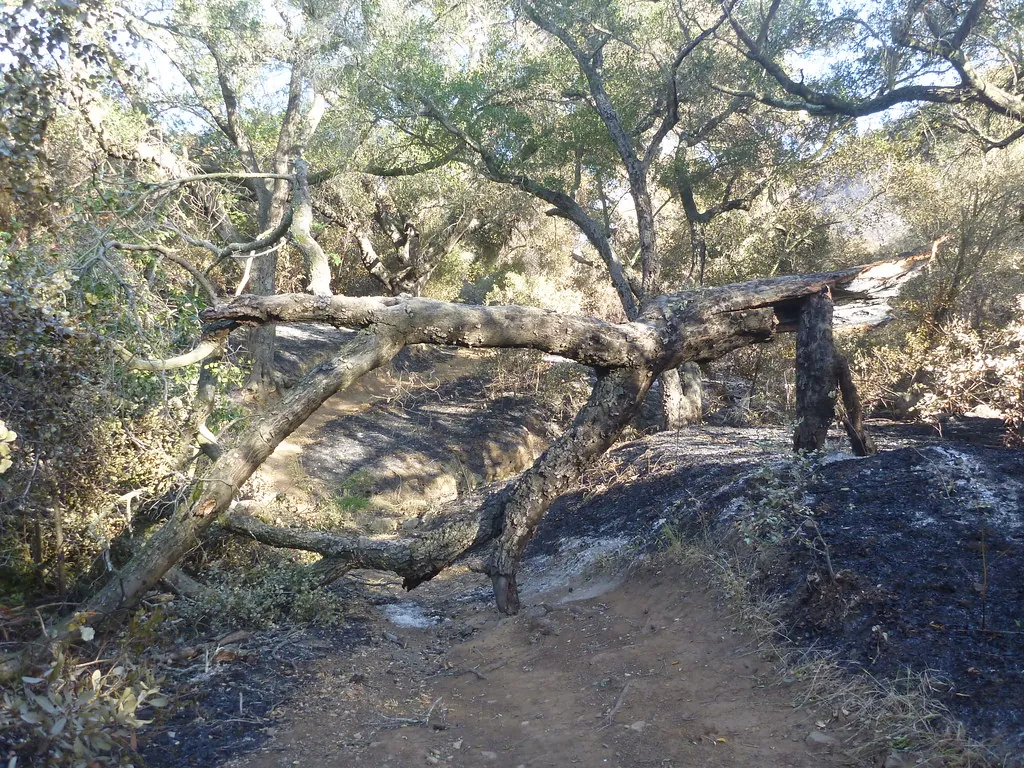
- Tree falls in the yard and hits nothing. Removal usually isn’t covered.
Why this matters after Tennessee storms
After an ice storm or derecho, tree crews are in heavy demand and crane work on tight urban lots can be expensive. Knowing which costs fall under the loss and which hit a small allowance helps you plan and spot an estimate that lumps everything into one low line.
Illustrative figuresLimits vary by carrier and policy form. Check the “Trees, Shrubs and Other Plants” and “Debris Removal” sections of your own policy.
Questions about this tool
Is stump removal included?
Usually not. Policies typically cover removing the debris, not grinding stumps or replanting.
Does the deductible apply to tree removal?
Typically the deductible applies to the loss as a whole. How it interacts with tree allowances depends on the policy wording.