Why fire estimates are often incomplete
The charred kitchen gets measured. The smoke film on every wall upstairs, the soot packed into the HVAC system and the odor in the insulation often don’t — at least not fully. Fire claims commonly turn on whether materials can be cleaned or must be replaced, and how far the damage spread.
What we document
- Burn and char depth on framing, with structural evaluation where needed.
- Smoke migration room by room, including closets, attics and wall cavities.
- HVAC contamination and whether duct cleaning or replacement is required.
- Odor-control steps: sealing, thermal fogging and ozone or hydroxyl treatment.
- Water and demolition damage caused by firefighting.
- Contents inventories, cleaning versus replacement decisions and depreciation.
Wildfire in East Tennessee
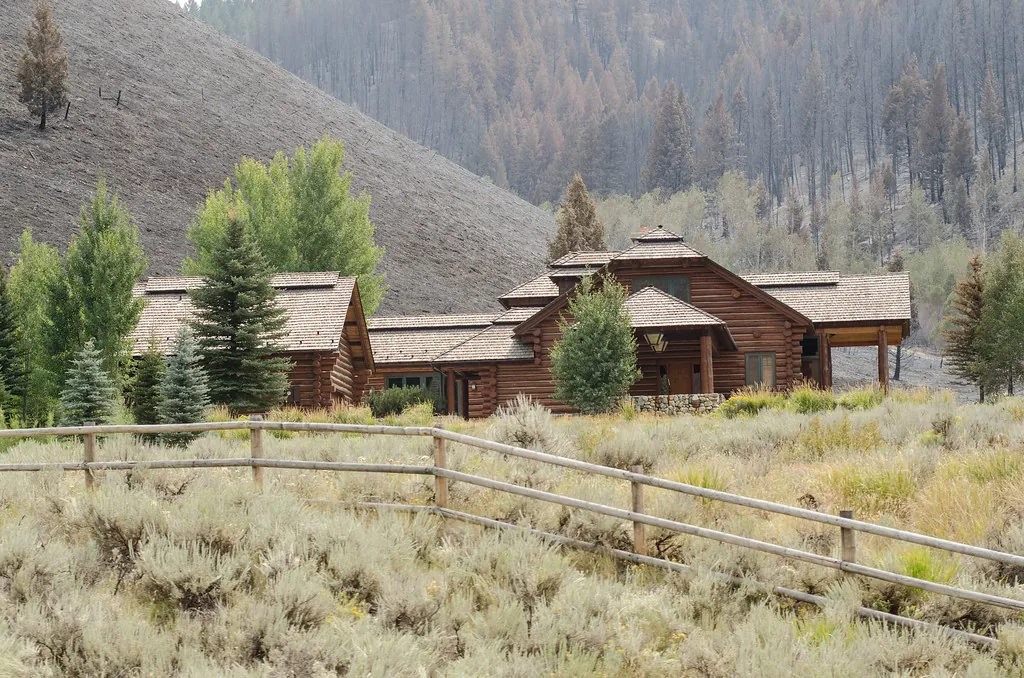
The November 2016 Chimney Tops 2 fire, driven by extreme winds into Gatlinburg and the surrounding hills, damaged or destroyed thousands of homes, cabins and businesses in Sevier County. It showed that wildfire is a real risk in the Smokies foothills — and that smoke and ash damage to homes that didn’t burn can be just as contested as total losses. We handle both.
Additional living expense and contents
Fire claims usually come with a long displacement. Additional living expense is often paid separately, but the contents claim can be the largest single dispute in the file. A room-by-room inventory with age, condition and replacement prices is the backbone of a strong contents valuation.
Frequently asked questions
The carrier wants to clean items I think should be replaced. Who decides?
If cleaning versus replacement is a pricing dispute about a covered loss, it can be part of the appraisal. Testing results and restoration records help support either position.
Can appraisal handle contents in a fire claim?
Yes. Contents can be appraised on their own or alongside the structure, often using a detailed inventory and pricing for each item.
My cabin is a short-term rental. Does that change things?
It can. Rental use may mean a commercial or dwelling-fire policy rather than a homeowner form, with different settlement terms. We review the policy before valuing the loss.